Drainage Solutions in Ogden, UT
Proper drainage is the key to a wall that lasts. We install French drains, weep holes, and grading solutions.
Drainage Is the Difference Between a Wall That Lasts and One That Fails
Water is the number one cause of retaining wall failure. When water saturates the soil behind a wall, it creates hydrostatic pressure — thousands of pounds of force pushing against the wall face. Without a path to drain, that pressure will eventually push the wall over or cause it to bulge and crack.
At Ogden Rock Walls, drainage isn’t an add-on. It’s built into every wall we construct, and it’s the first thing we address when repairing a failing wall.
Drainage Systems We Install
Every site is different, and we match the drainage solution to your specific conditions:
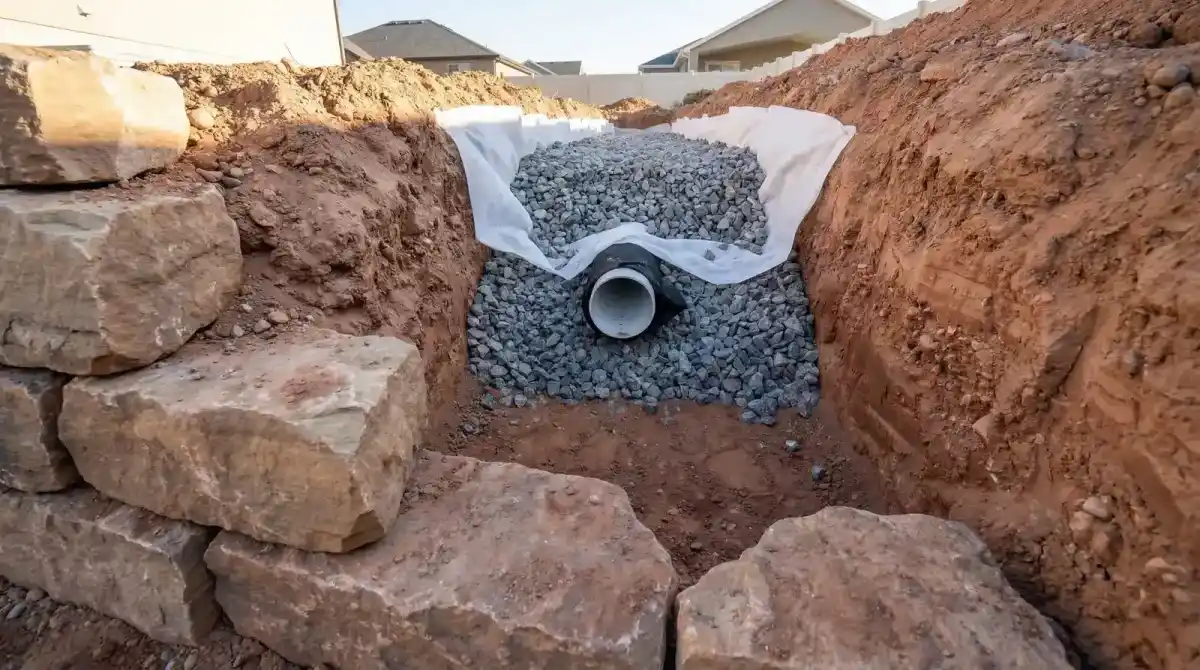
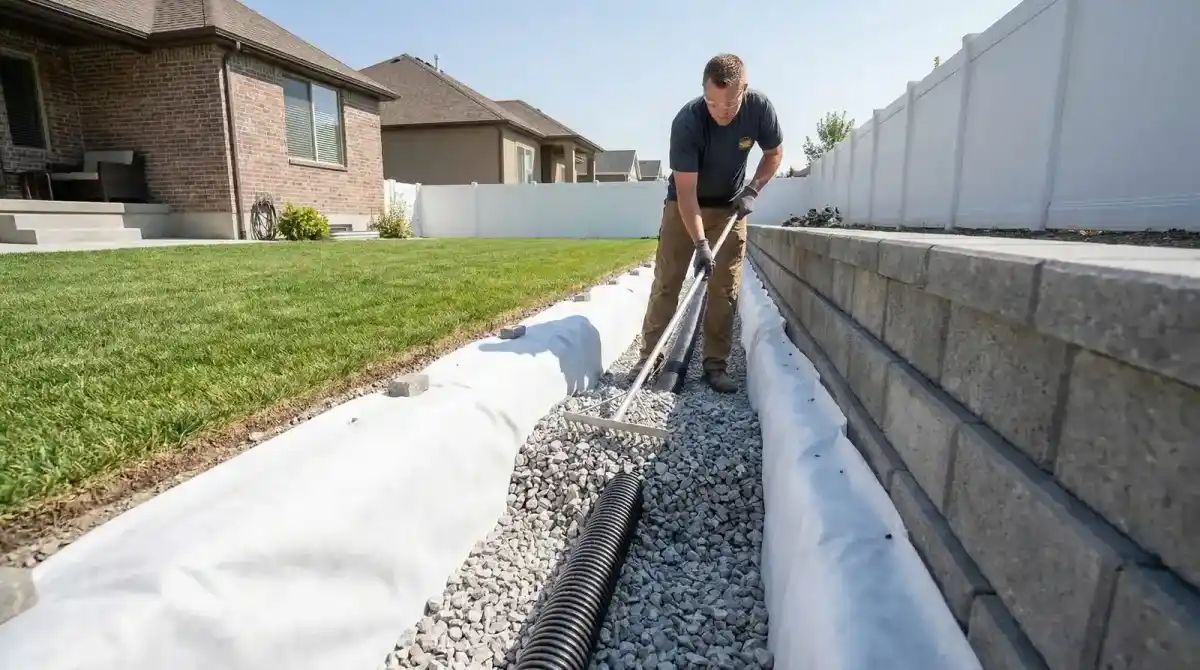
- French drains — Perforated pipe wrapped in filter fabric, set in clean drain rock behind the wall. This is the standard for most retaining wall installations and captures water before it builds pressure.
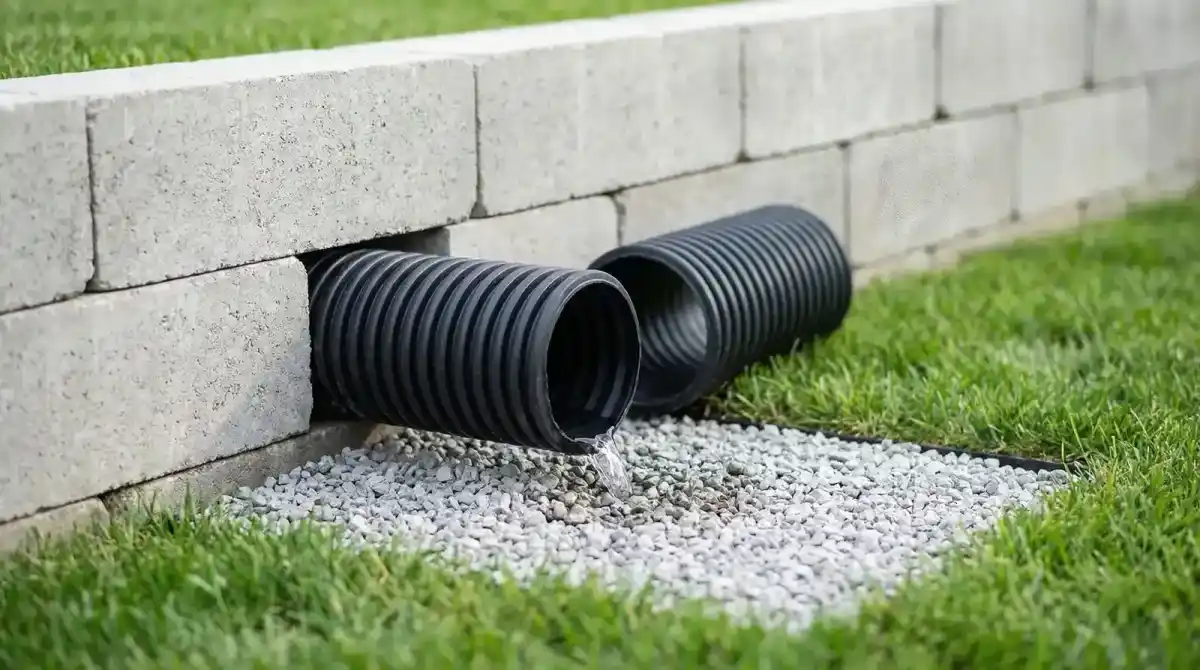
- Weep holes — Openings in the wall face that allow trapped water to escape. Used in combination with French drains for maximum pressure relief.
- Surface grading — Redirecting surface water away from the wall through proper slope grading. Water that never reaches the wall can’t cause problems.
- Swales and channels — For properties with significant runoff, we create surface drainage paths that move water away from retaining structures.
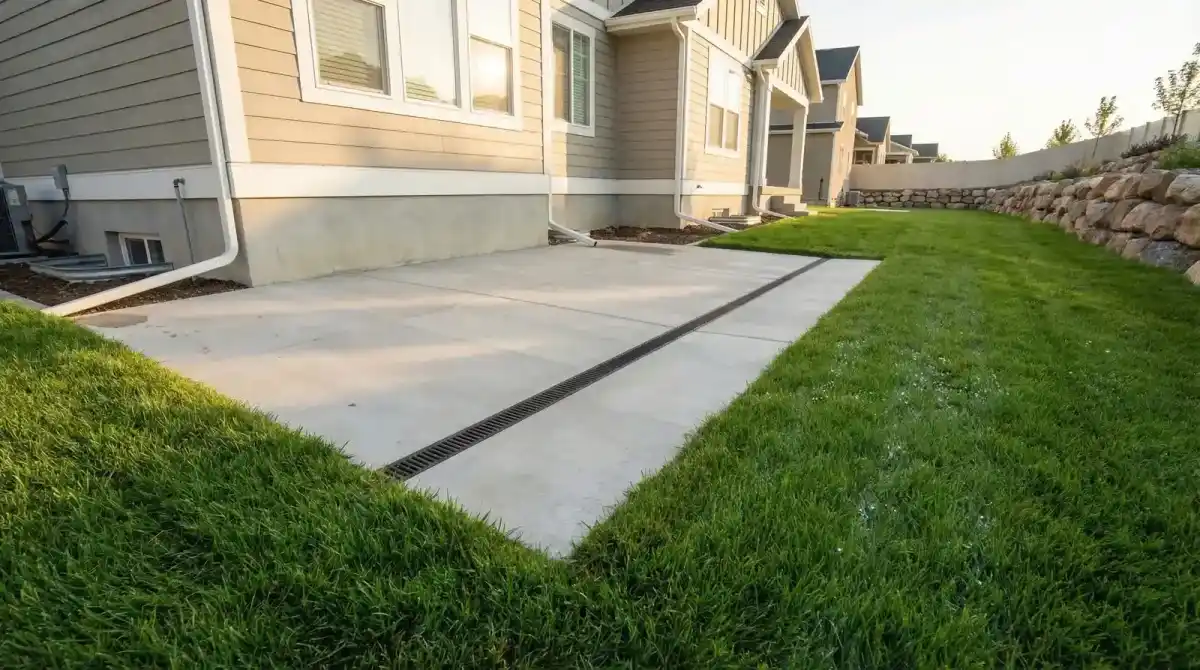
- Catch basins and downspout routing — We tie roof drainage and surface collection into underground pipe systems that carry water safely away from walls.
Why Existing Walls Fail From Drainage
Most retaining wall failures we repair across the Ogden area share the same root cause: the original builder either skipped drainage entirely or installed it incorrectly. Common mistakes include using regular fill dirt instead of clean drain rock, placing pipe without proper slope for drainage, and backfilling with clay soil that holds water instead of releasing it.
Utah’s clay-heavy soils along the Wasatch Front are especially problematic. Clay expands when wet and contracts when dry, creating repeated pressure cycles that accelerate wall failure.
Drainage for Existing Properties
You don’t always need a new wall to solve a drainage problem. In many cases, we can excavate behind an existing wall, install proper drainage, and backfill with drain rock — saving the wall and stopping the damage. Call us for a free site assessment.